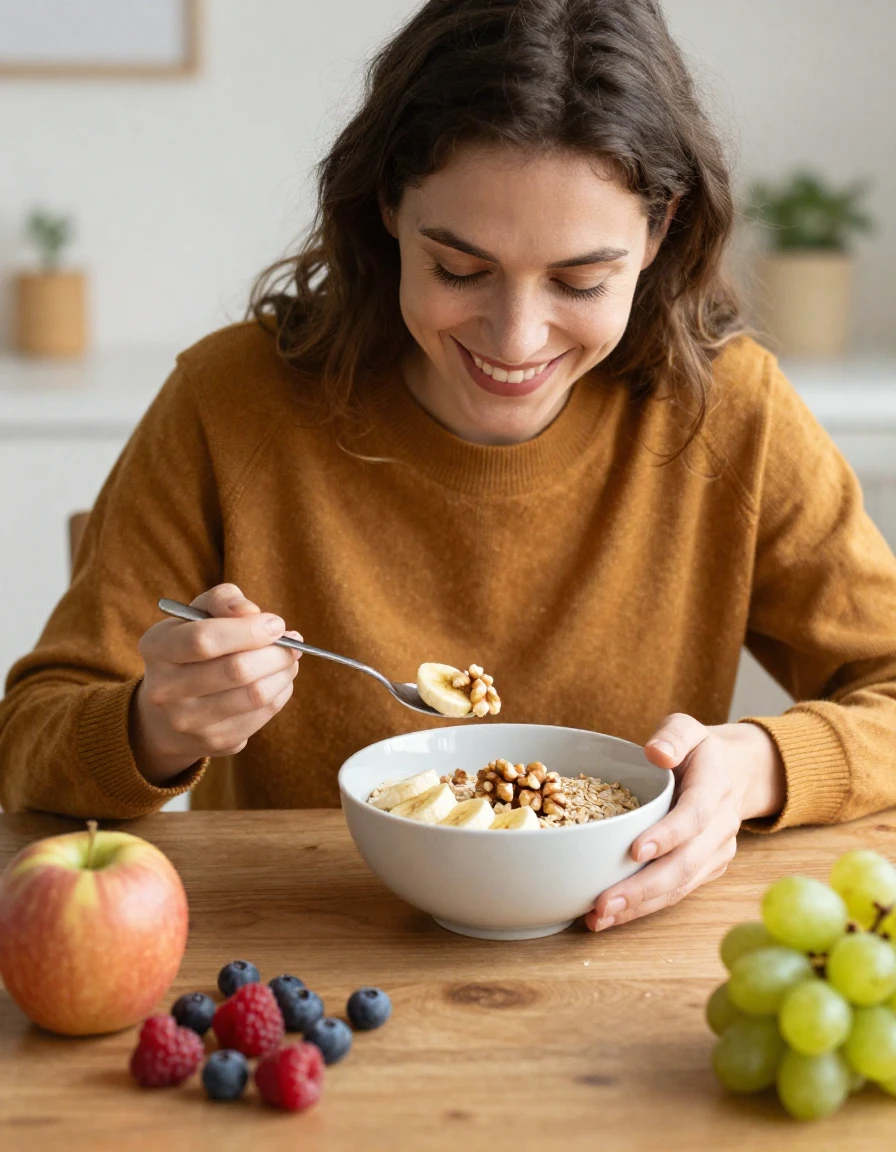
Lately, there’s been a surge in articles and social media posts warning about the supposed dangers of eating oatmeal. These claims often use clickbait headlines and misrepresent scientific findings. In this article, we dive into what’s true and what’s not, based on real research and nutritional facts.
What Makes Oatmeal So Special?
Oats are a whole grain that goes through cleaning, heat and moisture treatment, and then flaking. This process creates oatmeal, oat bran, or oat flour.
Nutritional value per 100g:
Calories: 307 kcal
Carbohydrates: 55g (of which 8g is fiber)
Protein: 11g
Fat: 5g
Minerals: Magnesium (27% NRV), Selenium (43%), Phosphorus (27%), Zinc (27%), Potassium (6%)
Oats are particularly rich in beta-glucan, a soluble fiber that forms a gel-like substance during digestion. This slows down carb absorption, helps regulate blood sugar, and may reduce cholesterol levels. Oats also contain insoluble fiber, which supports regular bowel movements.
Myth vs. Science: Let’s Break It Down
1. Phytic Acid
Anti-nutrient or Beneficial Compound?
Phytic acid is often labeled an “anti-nutrient” because it can bind to minerals like iron, zinc, and magnesium, reducing their absorption. But the truth is more nuanced: Many minerals in oats are still absorbed despite phytic acid.In a varied diet, its effect is negligible.
It has antioxidant and potential cancer-fighting properties.
Tips to reduce phytic acid:
Soak oats for a few hours (e.g., overnight oats).
Cook or ferment them.
Oats contain phytase, an enzyme that helps break down phytic acid.
Note: Phytic acid only affects the absorption of plant-based iron (non-heme), not animal-based iron (heme). Even on a fully plant-based diet, oatmeal remains highly nutritious.
2. Is Oatmeal Gluten-Free?
Oats are naturally gluten-free. However, they contain avenin, a protein similar in structure to gluten. A small percentage of people with celiac disease may react to avenin. The real concern lies in cross-contamination during processing, especially in facilities that handle wheat, barley, or rye.
Bottom line: Those with gluten sensitivity or celiac disease should only consume oats labeled “gluten-free.”
3. Bloating and Gas – What Causes It?
Most people digest oats easily. They’re often recommended during digestive issues like reflux or diarrhea. But some experience bloating or gas.
This is due to: The high fiber content
The state of your gut microbiome and its adaptation to fiber Fiber is fermented by beneficial gut bacteria, and this process can produce gas. If you’re not used to high fiber, you might feel some discomfort at first.
Tips for easier digestion:
Start with small portions (1–2 tablespoons).
Cook or soak the oats.
Drink plenty of water throughout the day.
4. Oats and FODMAP – Safe for IBS?
The FODMAP diet limits fermentable carbs to ease IBS symptoms. Many avoid oats entirely, but in moderation, oats are considered low FODMAP.
Recommended amounts for IBS:
Rolled oats (large flakes): up to 40g
Quick oats (smaller flakes): start with 28–30g
Watch out for hidden ingredients:
Avoid added milk powder, inulin, or artificial additives
Prepare with water or plant-based milk, not cow’s milk
Use low-FODMAP toppings like berries or puffed grains Who Should Avoid Oats?
Those with celiac disease who also react to avenin
Individuals with IBS who are specifically sensitive to oats
Anyone who dislikes oats or hasn’t found a way to prepare them they enjoy
Final Thoughts: Is Oatmeal Worth Eating?
Absolutely – when consumed mindfully and in moderation, oats offer real benefits for most people. Why you should include oatmeal in your diet:
Excellent source of daily fiber
Helps regulate cholesterol and blood sugar
Feeds beneficial gut bacteria (prebiotic effect)
Supports long-term weight management
Suitable for athletes, dieters, children, and the elderly
Just be mindful of how you eat it.
Highly processed oat-based snacks or cookies with only 5% oats are not the same as pure, natural oatmeal. For true benefits, choose clean-label products or make your own oatmeal from scratch.
Conclusion
Don’t let sensational headlines or half-truths scare you off. Oatmeal isn’t perfect, but very few foods offer such a wide range of proven health benefits. When eaten intentionally, it can become a powerful and nourishing part of your daily routine.
Sources:
Processing of oats and the impact of processing operations on nutrition and health benefits – PubMed
Profiling of Nutritional and Health-Related Compounds in Oat Varieties – PMC
Cholesterol-lowering effects of oat β-glucan – PubMed
Role of Inositols and Inositol Phosphates in Energy Metabolism – PubMed
The impact of oat structure and β-glucan on in vitro lipid digestion – PMC
Chromatographic Methods to Evaluate Nutritional Quality in Oat – PubMed
Cholesterol-lowering effects of oat β-glucan: a meta-analysis of randomized controlled trials – PubMed
Hypocholesterolemic and Prebiotic Effects of a Whole-Grain Oat-Based Granola Breakfast Cereal in a Cardio-Metabolic “At Risk” Population – PubMed
Protection against cancer by dietary IP6 and inositol – PubMed